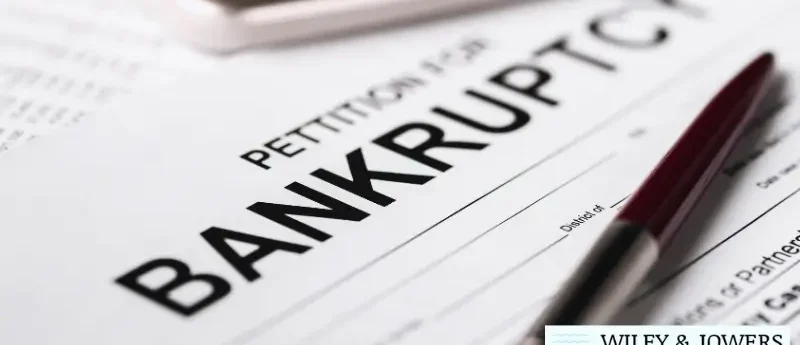

What happens to community property after bankruptcy in Louisiana? The answer depends on whether the community property was acquired before or after bankruptcy, among other important factors. It’s important to know how different forms of property may be affected by bankruptcy if you are preparing to file.
Understanding Types of Bankruptcy in Louisiana
When faced with financial strife, filing for bankruptcy is one option that can bring stability and peace of mind while improving your financial standing going forward. Common types of bankruptcy in Louisiana include:
- Chapter 7. This type, also called a liquidation or straight bankruptcy, involves liquidating non-exempt assets to pay off debts. Some properties may have a lien placed on them instead of being liquidated. These bankruptcies typically last a few months and result in an automatic stay on debt collection.
- Chapter 11. This form of bankruptcy is commonly used by businesses and entails submitting a reorganization plan and statement disclosing assets and debts. The disclosure statement helps determine the effectiveness of a proposed reorganization plan, which must be approved before it can be implemented.
- Chapter 13. This type of filing allows a person to repay a portion or all of their debts under the protection and supervision of the Bankruptcy Court. This bankruptcy involves entering into a repayment plan that spans years, allowing the retention of assets while avoiding collection actions.
In 2025, more than 356,000 Chapter 7 bankruptcies were filed across the country. There were also nearly 208,000 Chapter 13 and over 9,000 Chapter 11 bankruptcies filed. In the Western District of Louisiana specifically, there were approximately 5,866 bankruptcy cases total in 2025.
How Community Property Is Impacted By Bankruptcy
Louisiana is a community property state, meaning assets, income, and debts acquired by either spouse during a marriage are equally owned by both individuals. This includes joint bank accounts and the marital home, if it was purchased during the marriage.
In bankruptcy, community property is handled differently depending on whether the filing is under Chapter 7 or Chapter 13 and whether one or both spouses are filing.
If spouses choose to file together, all community property is subject to the bankruptcy proceedings. Under Chapter 7, all non-exempt assets are part of the bankruptcy estate, and after completion, all community debts are discharged. Under Chapter 13, all community property is included and can be kept as long as the repayment plan is followed.
If only one spouse files for Chapter 7 bankruptcy, the same rules apply, including the discharge of community debts. The difference is that the non-filing spouse’s separate property, such as inheritances or premarital assets, can still be pursued by creditors for paying off community debts.
Where Are Bankruptcy Issues Processed?
Where a bankruptcy filing may be handled can vary depending on the details of your situation, including the county where you primarily live. For example, a bankruptcy case in New Iberia is generally handled in federal court rather than in parish court.
Bankruptcy filings in New Iberia are most likely to be processed in the U.S. Bankruptcy Court for the Western District of Louisiana, specifically the Lafayette Division. This courthouse is located at 214 Jefferson Street, Suite 100, Lafayette, LA 70501.
When You Should Hire a Bankruptcy Lawyer
If you are in significant debt, you may want to hire a bankruptcy lawyer. Bankruptcy can be a strong option for many people, but it can also be intimidating due to complicated Louisiana bankruptcy laws. When you work with a capable bankruptcy attorney, you can feel secure and confident moving forward in settling your debts.
At Wiley & Jowers, we service the entire western district of Louisiana with numerous bankruptcy matters. Whether your situation seems difficult or simple, we are ready to guide you through the entire process.
FAQs
What Happens to Community Property After Bankruptcy?
Community property after bankruptcy is protected from pre-bankruptcy creditors. Creditors cannot take property to collect old community debts. This includes wages earned by either spouse after bankruptcy, vehicles or real estate purchased after discharge, and joint bank accounts created after bankruptcy. However, separate property is not included, meaning the property acquired before the marriage or as an individual gift.
What Happens to the Marital Home in Bankruptcy?
What happens to the marital home during a bankruptcy in Louisiana depends on when the house was purchased. If the house was purchased during marriage, it is considered community property and is thus part of the bankruptcy estate. If the home was bought before the marriage, whether it may be targeted during bankruptcy depends on whose name it’s in and if only one spouse is filing. Consult a lawyer to verify how your home may be impacted by bankruptcy.
What Assets Cannot Be Touched in Bankruptcy?
In bankruptcy filings in Louisiana, certain assets are exempt. Filers typically refer to state-specific exemptions rather than federal ones in order to effectively protect property. Exempt assets include:
- $35,000 in homestead or residential property equity, although the exemption is subject to certain liens
- Insurance benefits
- Pensions and retirement benefits
- Personal property
- 75 percent of weekly disposable earnings
- Veterans’ benefits
- Workers’ compensation
If you’re unsure whether a certain asset may be exempt from bankruptcy, be sure to ask your attorney.
What Type of Bankruptcy Should I File For?
To understand the type of bankruptcy that may be ideal for your unique situation, it is strongly recommended that you consult a knowledgeable bankruptcy professional to compare options and verify what bankruptcy types you qualify for.
Chapter 7 bankruptcies are generally recommended for individuals seeking to eliminate unsecured debts, such as medical bills or credit card debt. Chapter 13 filings are advantageous for those seeking to restructure and repay their debt over time while keeping assets like a house.
Get in Touch with a Louisiana Bankruptcy Lawyer
If you’re looking for a competent and experienced bankruptcy law firm, look no further than Wiley & Jowers. Reach out to our team today to schedule an initial meeting with a skilled, understanding bankruptcy attorney.